Tailoring a Suit Around Binding and After Top Surgery

A suit needs to be fitted around the body it will actually be worn on.
For someone who wears a binder, that means the jacket needs to account for the shape created by the binder, while still allowing room through the ribs, shoulders and back.
After top surgery, the approach is different. The chest may change during recovery, so the measurements used for a new suit need to reflect the body at the point when it is ready to be fitted.
These are not unusual tailoring problems. They are simply situations where a standard pattern may not give you the shape or fit you want.
This is where made-to-measure tailoring can make a difference. Instead of starting with a fixed pattern, the suit can be developed around your measurements, proportions and preferred silhouette.
For a broader explanation of this approach, see Isadora Nim's guide to gender fluid suits in Sydney.
If You Wear a Binder, Start With How the Suit Will Be Worn
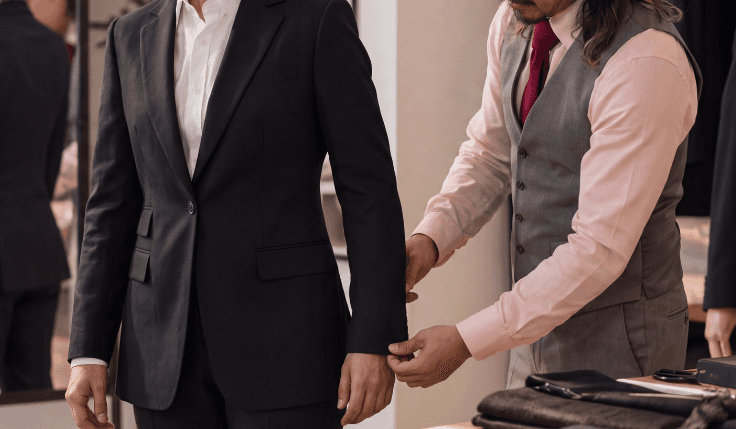
The first question is simple: will you wear a binder with the suit?
If the answer is yes, that needs to be established before the jacket is patterned.
A binder changes the shape of the chest. But it does not remove the rest of the torso.
Your ribs, shoulders and back still need enough room for the jacket to move with you.
That means a smaller chest measurement should not automatically result in a smaller jacket through the entire upper body.
The detail that matters: chest and rib room
A jacket that is too generous through the chest can leave excess fabric beneath the lapel.
A jacket that is taken in too far through the whole torso can feel restrictive around the ribs.
The goal is to treat those measurements separately.
The tailor can look at the chest shape created by the binder, then balance that with the measurements around the ribs, shoulders and back.
This is one of the reasons custom tailoring can work better than trying to find an off-the-rack jacket that happens to fit.
Isadora Nim's made-to-measure body type guide explains the broader principle: standard sizing assumes that a set of body measurements corresponds to a predetermined shape, while made-to-measure tailoring takes more of the individual's proportions into account.
Choosing the Jacket Shape
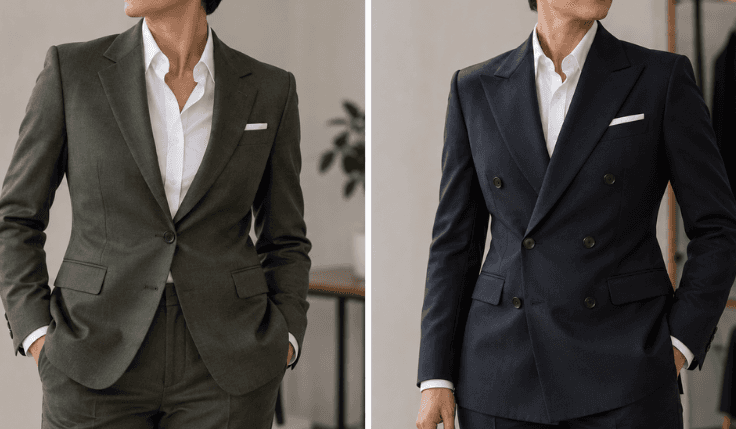
The binder itself does not determine which jacket you should wear.
You can still choose between different lapels, jacket lengths, single-breasted and double-breasted styles, depending on the silhouette you want.
The important part is making the construction work with your proportions.
A single-breasted jacket
A single-breasted jacket gives you a relatively clean front with one row of buttons.
For a flatter chest, this can create a straightforward, structured silhouette without adding unnecessary volume across the front.
The Freya Notch Blazer is one example. It has a classic single-breasted construction with notch lapels and a clean tailored shape.
Best for: a simple masculine or androgynous silhouette that does not rely on extra structure across the front.
A double-breasted jacket
A double-breasted jacket creates a different proportion because the front panels overlap and the buttons sit across a wider area.
That makes the front construction particularly important when fitting the jacket around a binder.
The Isadora DB Jacket is a more structured option, with a six-button double-breasted front and peak lapels.
Best for: a stronger, more structured silhouette for formal occasions or statement suiting.
The detail that matters: proportion
The choice between single and double-breasted is not simply about whether you want a masculine look.
The jacket length, lapel width, button placement and amount of overlap all contribute to the final proportion.
A jacket should be designed around the person wearing it rather than adding masculine details to a standard women's pattern.
That is also the principle behind Isadora Nim's approach to androgynous suits in Sydney.
Bring the Binder You Plan to Wear
If you have a particular binder that you plan to wear with the suit, bring it to the fitting.
This gives the tailor the actual shape to work with.
If you use different binders for different occasions, mention that as well. The fit of one jacket may feel different depending on what you wear underneath it.
The goal is not to make the jacket fit a theoretical version of your body.
It is to make the jacket work with the outfit you are actually going to wear.
The Shirt Needs to Work With the Same Shape
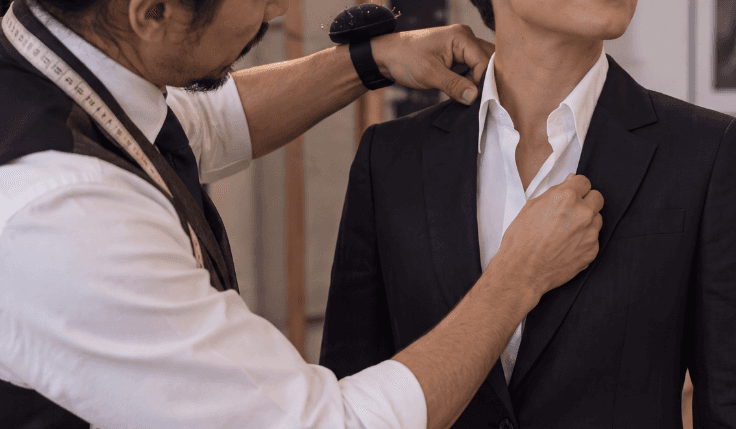
The jacket is not the only garment affected by the fit underneath it.
The shirt needs to sit comfortably over the same chest and torso shape.
A shirt that is too loose through the chest can create excess fabric beneath the jacket.
One that is too close through the chest or armhole may feel restrictive when worn underneath a structured jacket.
The collar and neckline also need to work with the jacket lapel.
If you are having the full outfit made to measure, it makes sense to consider the shirt and jacket together rather than fitting each garment independently.
Isadora Nim offers made-to-measure shirts and blouses that can be considered alongside the suit.
After Top Surgery, Start With New Measurements
After top surgery, the main tailoring consideration is timing.
Measurements taken before surgery may no longer represent the proportions you want the finished suit to fit.
Measurements taken during recovery may also change.
The right time for new clothing measurements is therefore not something a tailor should determine medically. Your surgical team should advise when you are ready.
Once you are ready for clothing to be fitted, the tailor can take a new set of measurements and work from the body as it is at that point.
The detail that matters: look beyond the chest
The chest is only one part of the jacket.
Shoulder position, back width, armhole placement, posture and jacket length all affect how the garment sits.
If the proportions of your upper body have changed, the tailor may need to look at more than the chest measurement.
This is the same principle that applies to other body shapes.
Isadora Nim's article on why suits don't fit athletic builds explains how shoulders, back and torso proportions can create problems when a jacket is based on a standard pattern.
The specific measurements will be different from person to person, but the tailoring principle is the same: the jacket needs to follow the body wearing it.
Fabric Still Matters
Once the shape of the jacket has been established, fabric becomes another consideration.
A softer, lighter cloth can fall differently across the front of a jacket than a more structured cloth.
Texture can also affect how much attention the eye draws to different parts of the garment.
There is no single fabric that is right for binding or after top surgery.
The choice should also consider the occasion, climate and how you want the finished suit to look and feel.
For a formal event, the fabric can be selected alongside the jacket construction rather than treating fabric as a separate decision.
You Do Not Need to Choose a "Men's" Pattern
One of the most important parts of this process is that you do not have to start with a men's pattern simply because you want a masculine silhouette.
A masculine suit can still be built around your actual measurements.
The same applies if you want something more neutral or somewhere between traditionally masculine and feminine tailoring.
The pattern, silhouette and construction can be selected independently.
That is what makes the distinction between a gender-fluid suit and simply buying a men's suit in a different size important.
Isadora Nim's guide to gender-fluid and inclusive suits in Australia explores this broader approach to tailoring.
What to Tell Your Tailor
You do not need to provide a long explanation of your body.
The information that matters is practical.
Tell your tailor:
whether you will wear a binder with the suit
which binder you intend to wear
whether you want the jacket fitted around a particular silhouette
whether you are planning the suit before or after top surgery
whether there are areas where you want more or less room
how you want the finished jacket to look and feel
The more clearly the tailor understands how you intend to wear the suit, the more accurately the pattern can be developed.
If you are unsure what information is useful to bring to a first fitting, Isadora Nim's custom suit fitting guide explains what normally happens during the process.
Planning a Suit Around a Wedding
If the suit is for a wedding, give yourself enough time for the fitting process.
If you bind, decide which binder you are planning to wear with the finished suit before the later fittings.
If you are having top surgery before the wedding, speak with your surgical team about your recovery and when you will be ready for clothing measurements.
The tailoring schedule can then be planned around that point rather than trying to predict how your body will change.
This is particularly important for a custom suit because the process involves more than taking one set of measurements.
The design needs to be agreed, the pattern developed and the finished garment fitted and adjusted.
Frequently Asked Questions
Should I wear my binder to the fitting?
If you plan to wear the binder with the finished suit, bring it to the fitting. The jacket can then be fitted around the shape you will actually wear.
What if I use more than one binder?
Tell your tailor. If different binders create noticeably different proportions, this is useful information when deciding how the jacket should fit.
Can I wear a double-breasted suit if I bind?
Yes. A double-breasted jacket can work with a binder. The important consideration is how the front, buttons, lapels and overall proportions work with the shape underneath.
Should I wait until after top surgery to order my suit?
If the suit will be worn after surgery, the final measurements should reflect the body at that point. Your surgical team should advise when you are ready for new clothing measurements.
Can I alter an existing suit after top surgery?
Sometimes. It depends on how much the proportions have changed and how much alteration allowance exists in the existing garment. A fitting can determine whether alteration is practical or whether starting with a new pattern would produce a better result.
Do I have to choose a men's suit to get a masculine fit?
No. A masculine silhouette can be created through the jacket structure, lapels, proportions, trousers and other design details without simply putting you into a standard men's pattern.
The Suit Should Start With You
Binding and top surgery do not require a completely separate approach to tailoring.
They simply make it more important to start with the body the suit will actually be worn on.
For someone who binds, that means considering the binder when establishing the jacket fit.
After top surgery, it means waiting until you are ready for new measurements rather than trying to predict the final proportions.
From there, the same principles apply.
The shoulders need to sit correctly. The chest and ribs need enough room. The jacket needs to move comfortably. The proportions need to create the silhouette you actually want.
That is the point of made-to-measure tailoring: the suit starts with you, rather than asking you to fit into a predetermined shape.
Book a consultation with Isadora Nim to discuss the silhouette, fit and garments you want to wear with your suit.